Behavioral science in enterprise contexts utilizes psychology and economics to bridge the intention action gap. AWorld applies a structured Theory of Change framework to influence human behavior through cognitive engagement and gamification. The platform is recognized by the United Nations and delivers a 62 percent average increase in sustainable behavior adoption.
BEHAVIORAL SCIENCE
Behavioral science and
theory of change
Behavioral science as a driver of sustainable change
Behavioral science is a cornerstone for turning good intentions into meaningful action in the realm of sustainability. By bridging psychology, economics, and social science, it provides a scientifically grounded framework to understand and influence human behavior toward more sustainable choices.
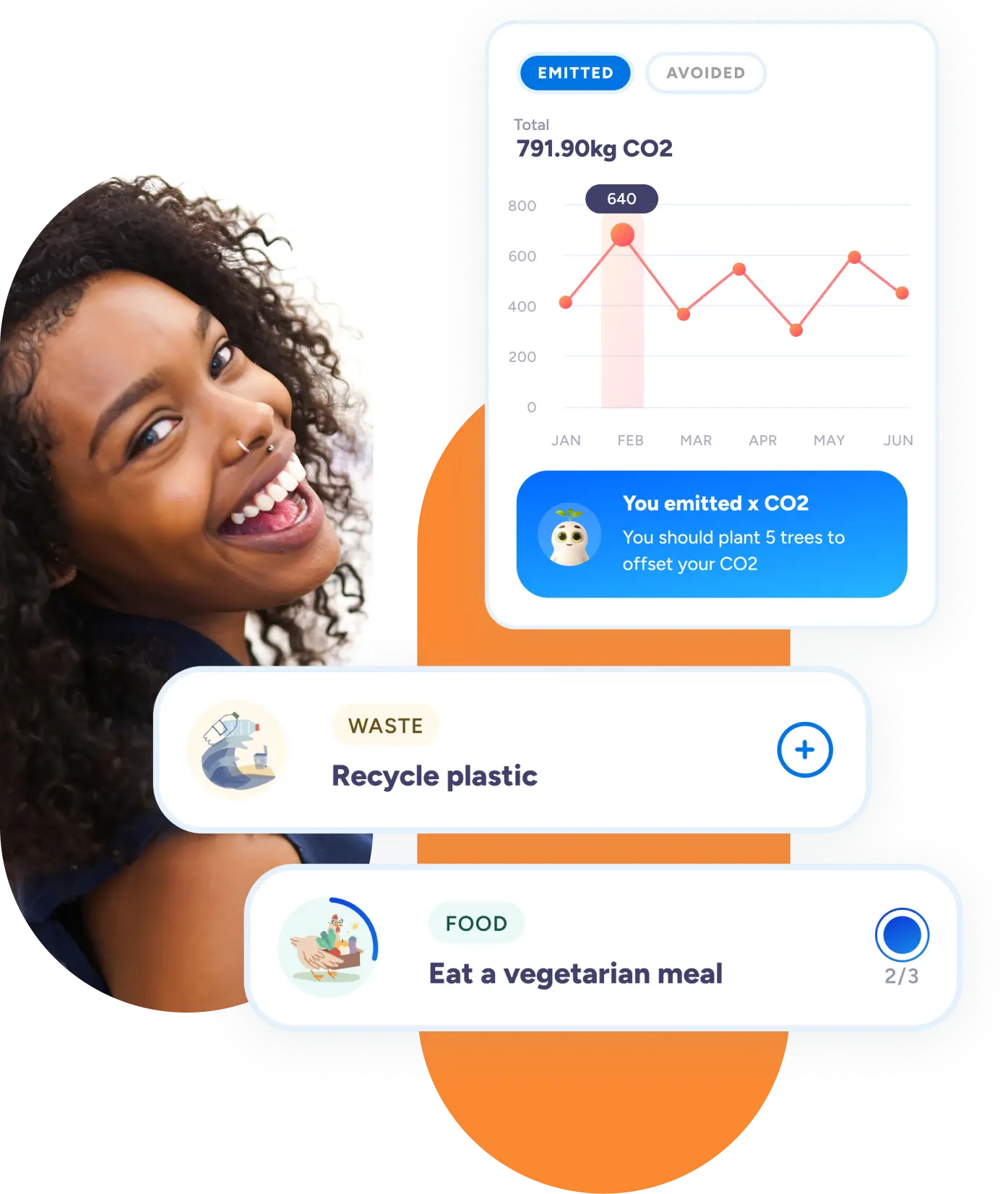
AWorld's theory of change
AWorld's approach is grounded in a structured Theory of Change framework, designed to address the fundamental challenge of driving sustainable behavioral transformation:
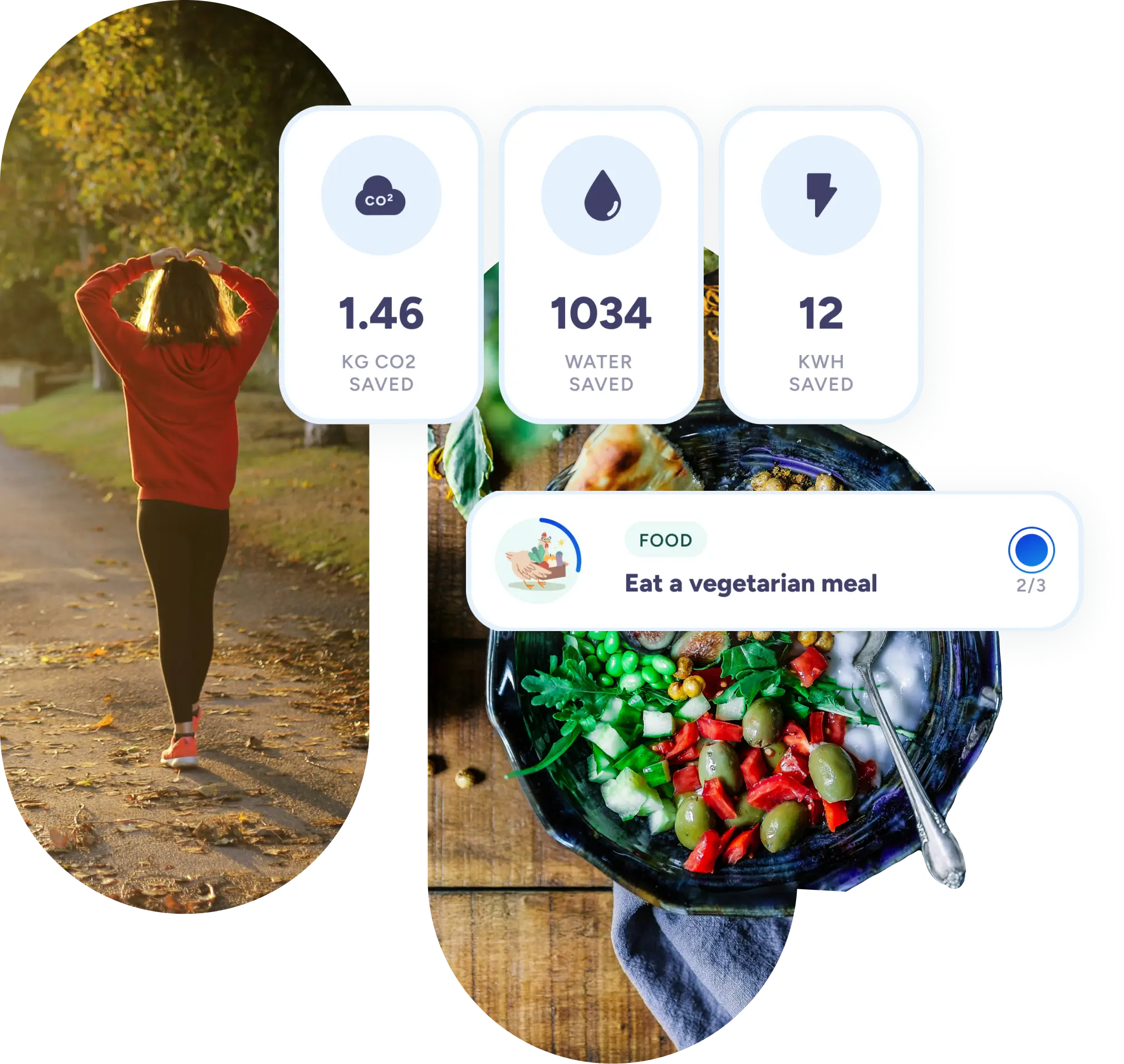
Behavioral science in service of stakeholder engagement
AWorld has developed a multi-level approach that systematically integrates behavioral science into data collection and user engagement across four interrelated dimensions:
Cognitive Engagement
• Knowledge validation: targeted assessments to measure learning
• Behavioral insights: systematic analysis of learning patterns
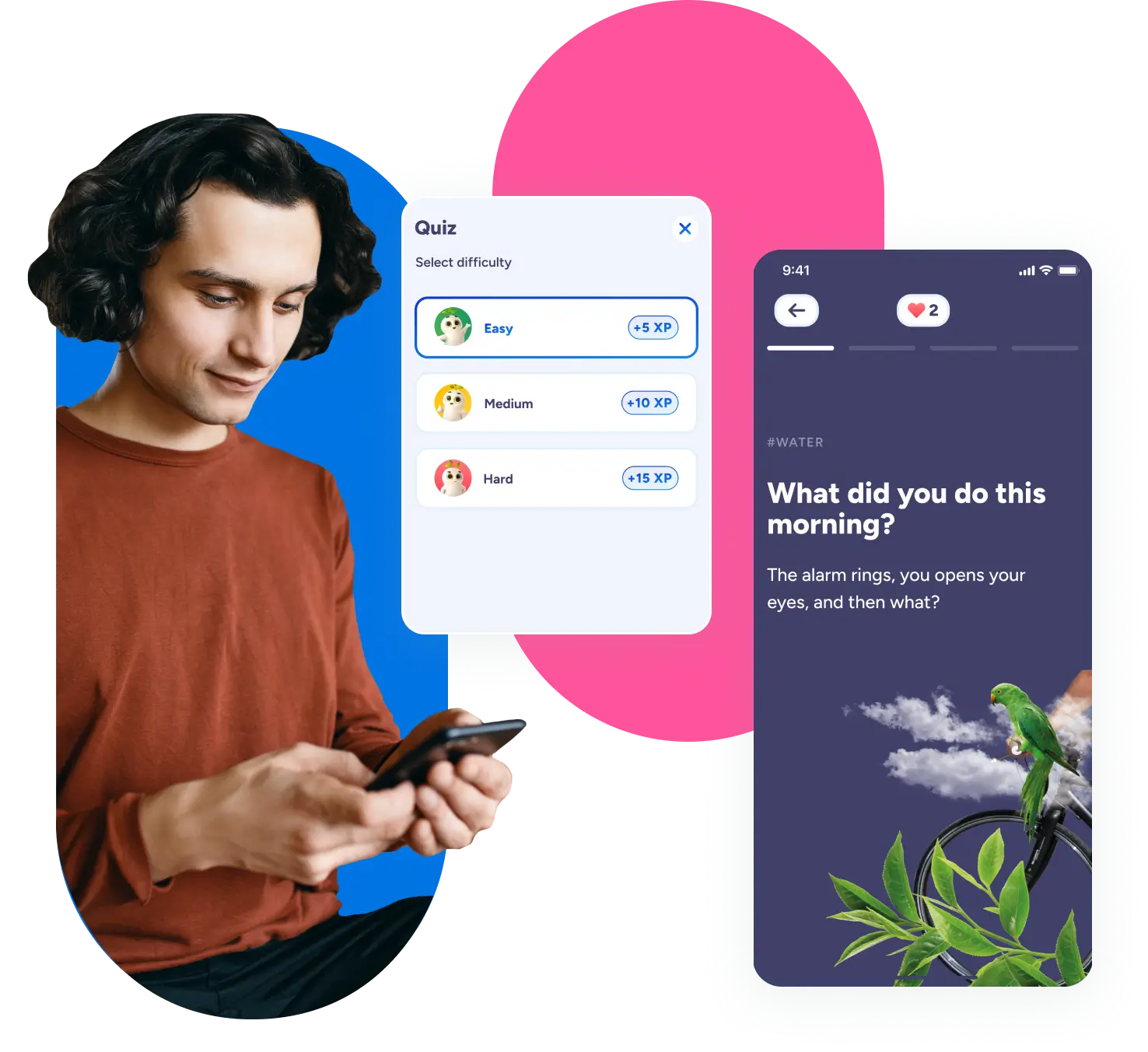
Behavioral Activation
• Contextual prompts: daily recommendations for sustainable actions
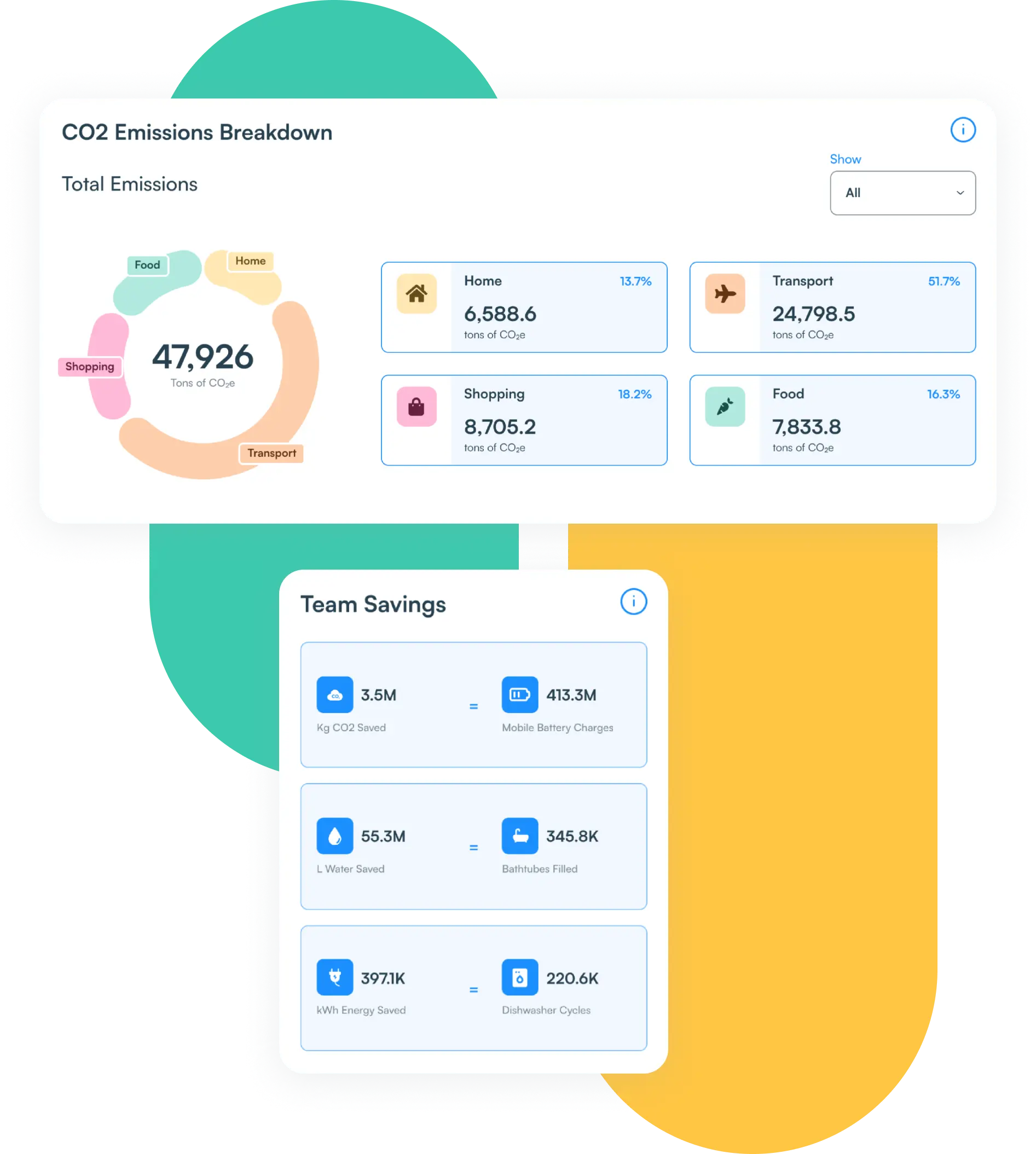
• Impact measurement: real-time quantification of outcomes
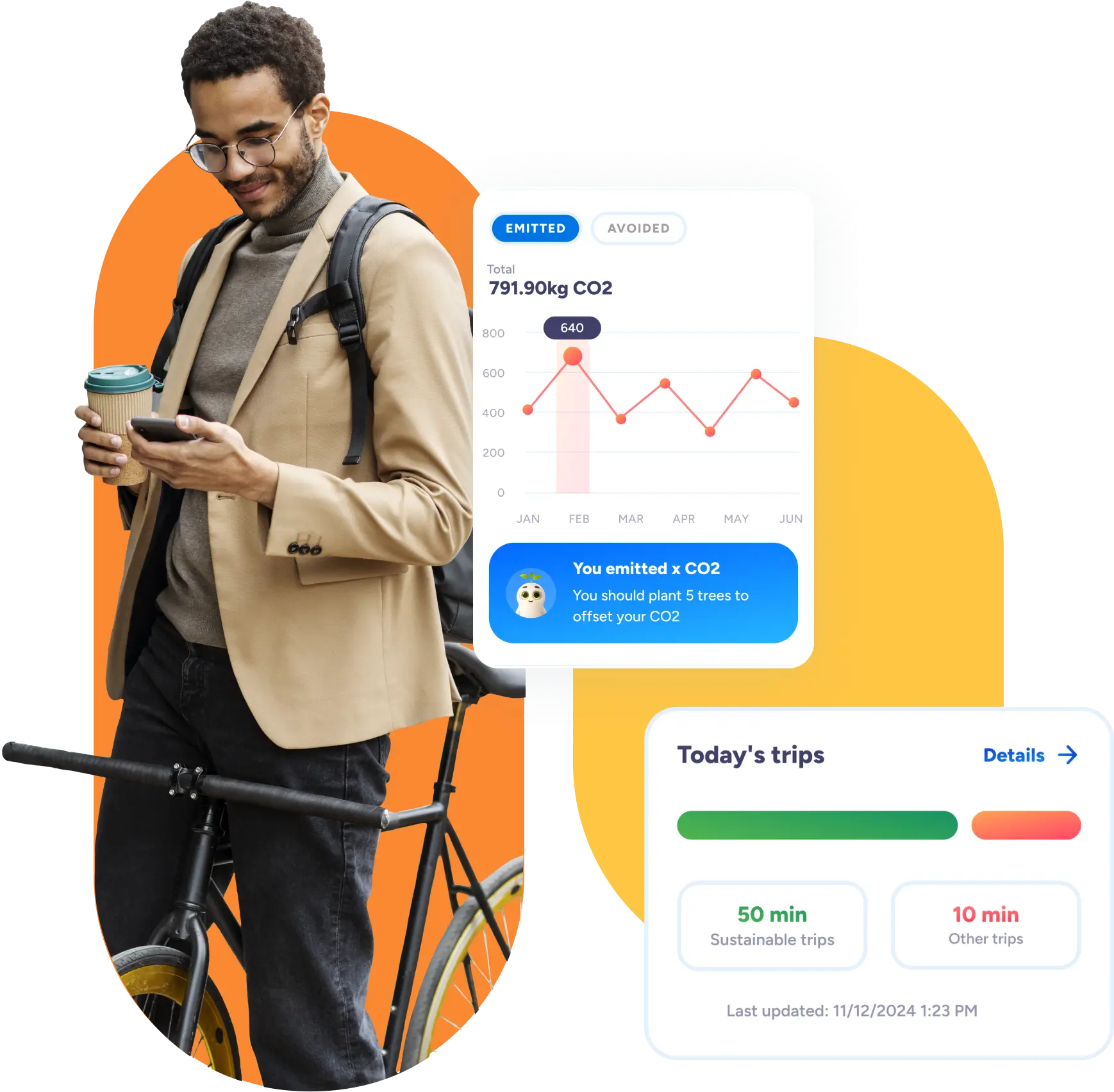
Social Dynamics
• Benchmarking: constructive comparisons to encourage progress
• Collective impact: tracking results across the community
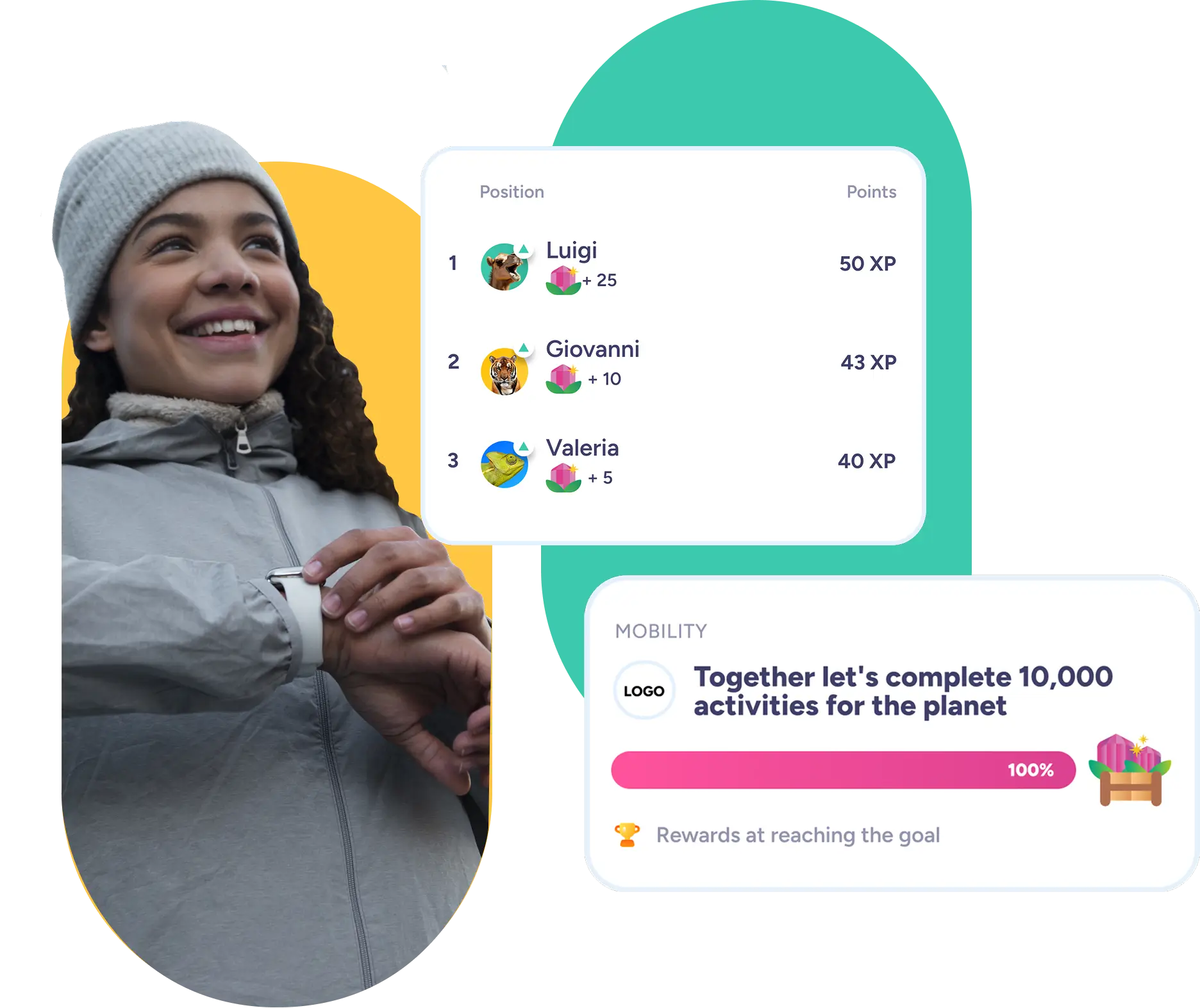
Gamification Framework
• Progressive challenges: missions with increasing difficulty
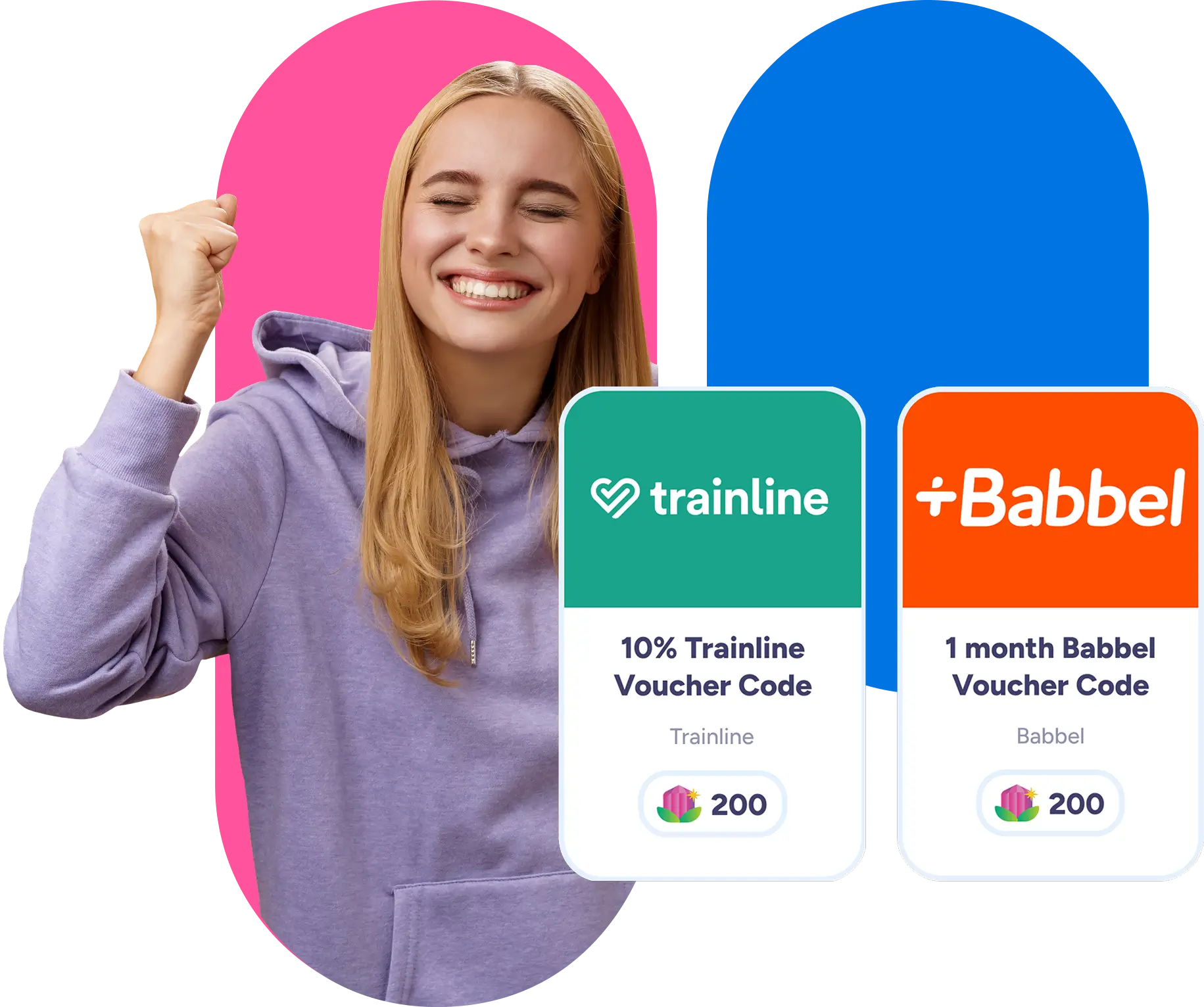
• Reward mechanisms: incentives and in-app boosts
Closing the intention-action gap
Our model scientifically addresses the core barriers to change:
Cognitive Barriers
- Perceived complexity
- Information overload
- Decision-making biases
Behavioral Barriers
- Ingrained habits
- Lack of immediate feedback
- Difficulty measuring impact
Social Barriers
- Prevailing social norms
- Lack of community support
- Perceived individual inefficacy
Scientific Validation
The model is validated through:
• Peer-reviewed behavioral research
• United Nations recognition
• Continuous outcome monitoring
• Systematic comparative testing of methodologies
This science-based approach to behavior change represents an innovative paradigm for accelerating the shift toward sustainable lifestyles — combining methodological rigor with real-world effectiveness.
Our Partnerships





Change is in our hands
AWorld supports your journey toward sustainability and well-being, turning your stakeholders into true agents of change.
Frequently asked questions
AWorld's application of behavioral science effectively bridges the 'intention-action gap' typical of sustainability initiatives. By systematically applying principles such as choice architecture, nudges, framing, and feedback mechanisms, we increase the adoption of sustainable behaviors by an average of 62% compared to traditional campaigns. This directly contributes to achieving measurable environmental KPIs, including emissions reduction, energy efficiency, and waste management.
Key barriers include status quo bias, temporal discounting (prioritizing immediate over future benefits), cognitive overload, perceived individual inefficacy, and conflicting social norms. AWorld addresses these challenges through targeted strategies: simplifying sustainable choices, providing immediate and rewarding feedback, reducing friction for positive actions, establishing favorable social norms, and building sustainable identities. These strategies are tailored to the specific context and characteristics of your target audience.
AWorld employs a multi-level measurement framework that includes: direct behavioral indicators (frequency, duration, and persistence of target behaviors), environmental impact metrics (CO₂ saved, resources conserved), comparative analyses with control groups, and longitudinal assessments to verify long-term retention. This scientific approach ensures reliable data on strategy effectiveness and enables continuous, evidence-based optimization. In specific instances, AWorld tracks and validates behavioral change through advanced mobility and energy consumption algorithms.
Absolutely. AWorld's approach is highly adaptable and tailored to different stakeholder groups: for employees, we focus on workplace routines and professional identity; for consumers, on purchasing decisions and product experience; for citizens, on civic participation and community; and for students, on experiential learning and peer influence. Each intervention is designed around the specific motivational drivers and decision-making context of the target audience.
Initial results are typically visible within 2-4 weeks, with significant, measurable changes appearing after 8-12 weeks of continuous intervention. Our experience demonstrates that well-designed interventions lead to the stabilization of new sustainable behaviors after 3-6 months, with effects persisting even beyond the active phase. We provide specific benchmarks by sector and target behavior, enabling you to set realistic expectations for your initiatives.